


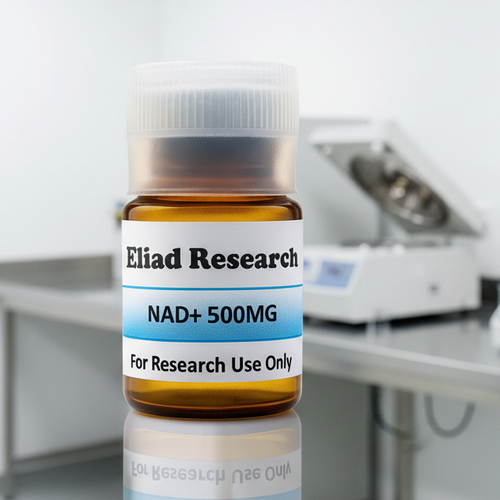
Exploring Cellular Energy with NAD+
Nicotinamide Adenine Dinucleotide (NAD+) is a research compound supplied for controlled laboratory investigation. Researchers study this coenzyme because it plays a key role in cellular energy processes, redox systems, and molecular activity within experimental models. As the oxidized form of NADH, NAD+ actively supports electron transfer reactions examined in laboratory research.
Because NAD+ functions within the Electron Transport Chain, researchers use it to study how electrons move through biological systems during energy related processes. Therefore, scientists can explore cellular energy pathways and redox balance under controlled experimental conditions. As a result, laboratories can collect consistent data while maintaining clear control over study variables.
In laboratory environments, scientists handle NAD+ using standard preparation and safety procedures. In addition, the compound format allows accurate measurement and controlled use during experiments. For this reason, research teams maintain stable testing conditions and focus on observation, record keeping, and data analysis without added variation.
Moreover, researchers value NAD+ for its clear chemical role and compatibility with structured research workflows. Because of this consistency, laboratories can compare results across studies that focus on cellular energy systems and redox research models. In addition, its well understood behavior supports long term laboratory projects that require dependable research materials.
Finally, ongoing scientific research continues to include NAD+ in laboratory studies focused on cellular energy and electron transfer processes. Therefore, its defined role in redox systems, predictable handling, and suitability for controlled research models make it a reliable tool for advanced experimental work.
Important Notice
NAD+ is provided strictly for research use only. Researchers must not use this product for human or animal use, clinical applications, diagnostic procedures, or consumption. Qualified professionals must conduct all research in appropriate laboratory environments and in compliance with applicable regulations and guidelines.